COO Architecture Home

Category

Design Philosophy

29 articles

The Meeting Is the Design: Where American Buildings Are Really Decided

The Meeting Is the Design: Where American Buildings Are Really Decided

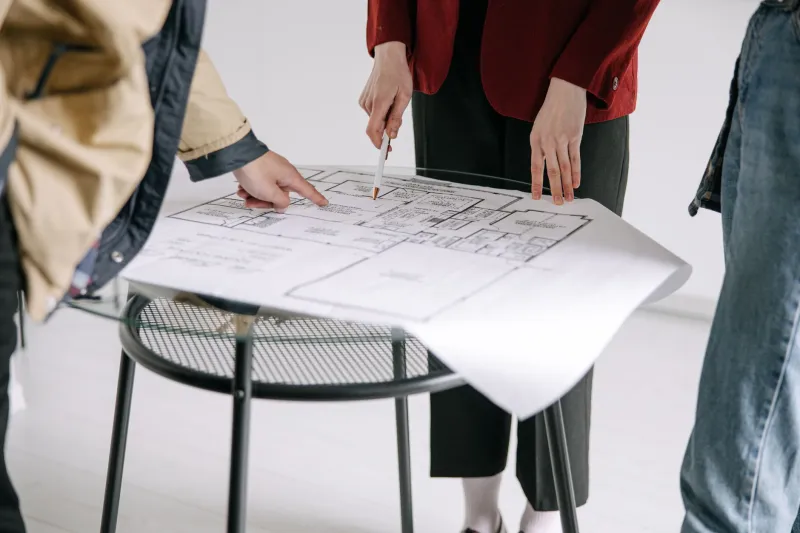
Ask any principal where a project was truly determined and the answer is rarely the drafting table. It was the budget standoff in March, the quiet concession in a conference room, the client who almost walked. This piece traces the negotiation as architecture's real medium.

After Hours, Before Judgment: What Back-of-House Spaces Say About a Building's Real Character

After Hours, Before Judgment: What Back-of-House Spaces Say About a Building's Real Character

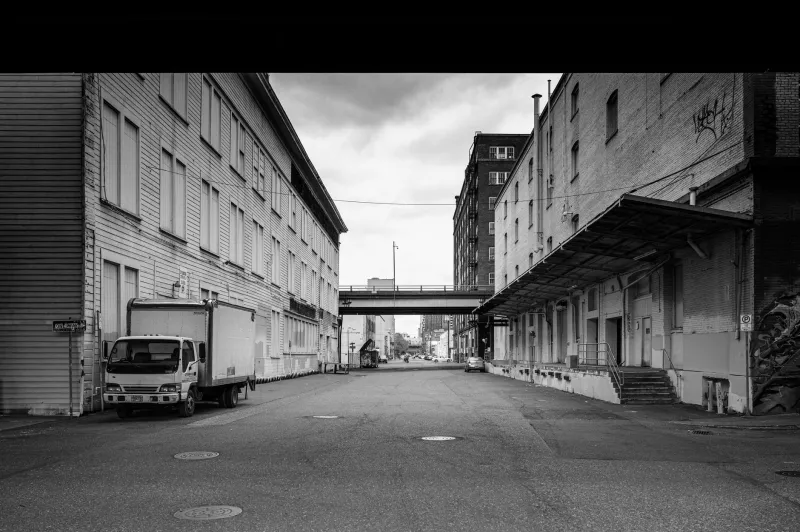
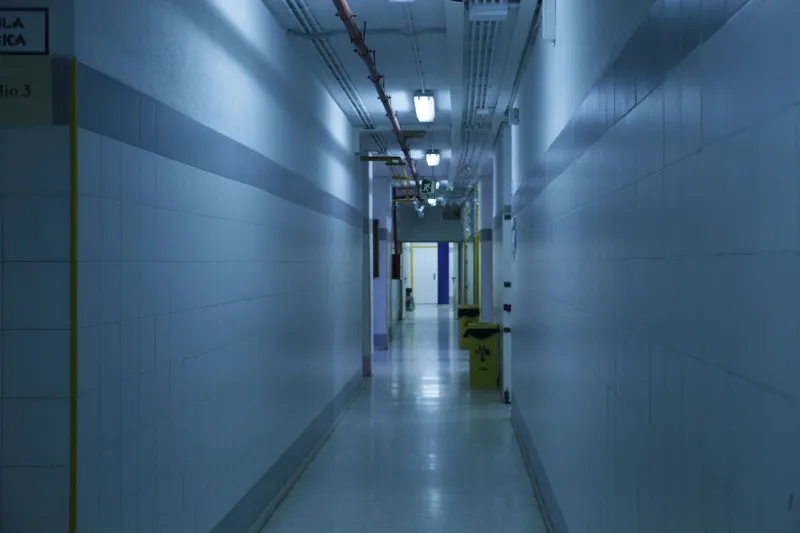
A building's true quality reveals itself at 2 a.m.—in loading docks, stairwells, and mechanical rooms no client will ever tour. We spoke with facility managers about the design decisions that make service spaces feel maintained rather than abandoned, and assembled a practical checklist for architects designing for the hours that never make the portfolio.

Wired for Obsolescence: How Overspecialized Technology Infrastructure Is Stranding American Buildings

Wired for Obsolescence: How Overspecialized Technology Infrastructure Is Stranding American Buildings

Buildings designed around today's dominant technologies often become tomorrow's most expensive liabilities. When proprietary systems and narrowly engineered infrastructure cannot accommodate technological change, owners face a stark choice between costly retrofits and diminished market competitiveness. The architecture firms that understand this dynamic are designing for adaptability first—and innovation second.

Vacant by Design: How Speculative Floor Planning Is Quietly Bankrupting Corporate Real Estate Portfolios

Vacant by Design: How Speculative Floor Planning Is Quietly Bankrupting Corporate Real Estate Portfolios

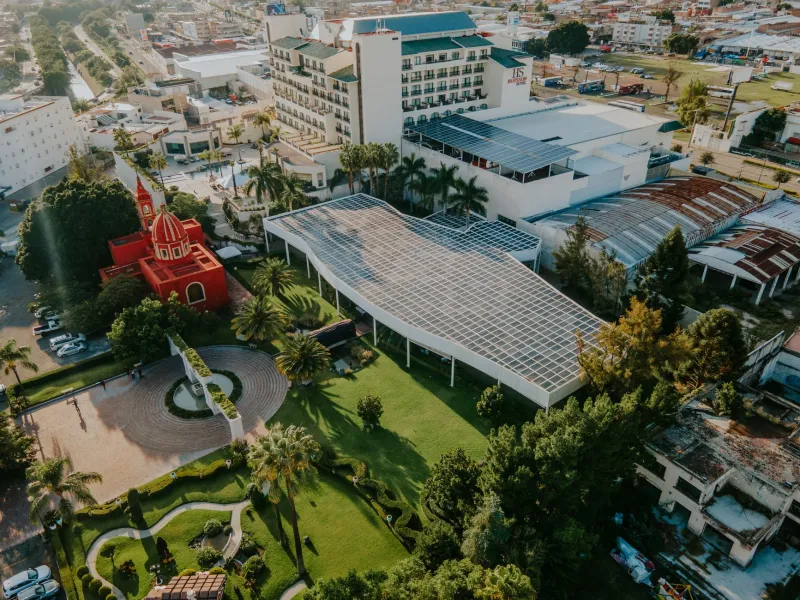
Across America's corporate campuses and urban office towers, entire floors sit dark, climate-controlled, and completely empty—costs that compound quietly on balance sheets year after year. This phenomenon, born from optimistic growth projections and insufficient operational scrutiny during the design phase, represents one of the most preventable financial drains in modern commercial real estate. COO Architecture examines how a fundamentally different approach to space planning could have interce

When Buildings Stop Paying Their Way: The Hidden Cost of Thermal Inefficiency in America's Aging Stock

When Buildings Stop Paying Their Way: The Hidden Cost of Thermal Inefficiency in America's Aging Stock

Across the United States, millions of commercial buildings are quietly hemorrhaging capital through outdated envelopes, aging mechanical systems, and insulation strategies that were never designed for today's energy costs or climate realities. For CFOs and facility managers, the conversation around energy efficiency has shifted decisively—from environmental aspiration to financial obligation. Strategic thermal retrofits are no longer a premium amenity; they are among the highest-returning capita

Sound Investments: Why Acoustic Performance Belongs in Every Building Budget From Day One

Sound Investments: Why Acoustic Performance Belongs in Every Building Budget From Day One

Most organizations don't realize their open-plan office has a noise problem until employees are already suffering through it. Acoustic performance is one of the most systematically underspecified elements in commercial construction—and one of the most expensive to correct after occupancy. Forward-thinking firms are changing that by treating sound management as operational infrastructure, not interior decoration.

Building Against the Storm: How Climate Extremes Are Rewriting the Rules of American Architecture

Building Against the Storm: How Climate Extremes Are Rewriting the Rules of American Architecture

Extreme weather events are no longer anomalies—they are design parameters. Across the United States, architects and engineers are fundamentally reconsidering how structures are conceived, sited, and constructed in response to an era of intensifying climate volatility. The firms leading this transformation are not merely adapting to new codes; they are pioneering a resilience-first philosophy that begins at the earliest stages of the design brief.

Breathing Room: Why the Smartest Companies Are Auditing Air Before They Negotiate Leases

Breathing Room: Why the Smartest Companies Are Auditing Air Before They Negotiate Leases

A quiet revolution is underway in how forward-thinking organizations evaluate their built environments. Before square footage, before location, before amenities—a growing cohort of progressive companies is asking a more fundamental question: what are people actually breathing inside this building? The answer is reshaping how architects specify materials, systems, and spatial hierarchies from the earliest stages of design.

What a Building Will Cost You: The Case for Lifecycle Thinking Before the First Shovel Turns

What a Building Will Cost You: The Case for Lifecycle Thinking Before the First Shovel Turns

The sticker price of a building is rarely its true price. Forward-thinking architectural firms are now applying rigorous lifecycle cost analysis—long the province of CFOs and operations directors—directly into the design process, reshaping how material selections, mechanical systems, and spatial configurations are evaluated before construction ever begins. The result is a generation of buildings that cost dramatically less to own, operate, and maintain over their full productive lives.

Designed for Disconnection: How the Built Environment Is Failing Remote Workers—and What Intentional Architecture Can Do About It

Designed for Disconnection: How the Built Environment Is Failing Remote Workers—and What Intentional Architecture Can Do About It

As distributed work becomes a permanent feature of American professional life, the spaces where people actually work—homes, neighborhoods, and community buildings—have failed to keep pace. COO Architecture examines why residential and neighborhood design has left remote workers isolated and unproductive, and what a more intentional architectural response looks like.

The Office That Nobody Uses: Rethinking Corporate Workspace From the Ground Up

The Office That Nobody Uses: Rethinking Corporate Workspace From the Ground Up

Across the United States, corporations are sitting on billions of dollars worth of office space that employees actively avoid. Understanding why those spaces fail—and what genuinely effective alternatives look like—requires architects and operational leaders to enter the conversation together, long before a single wall is drawn.